
IPTV Streaming Service: What Makes Streaming TV Different From Traditional TV?
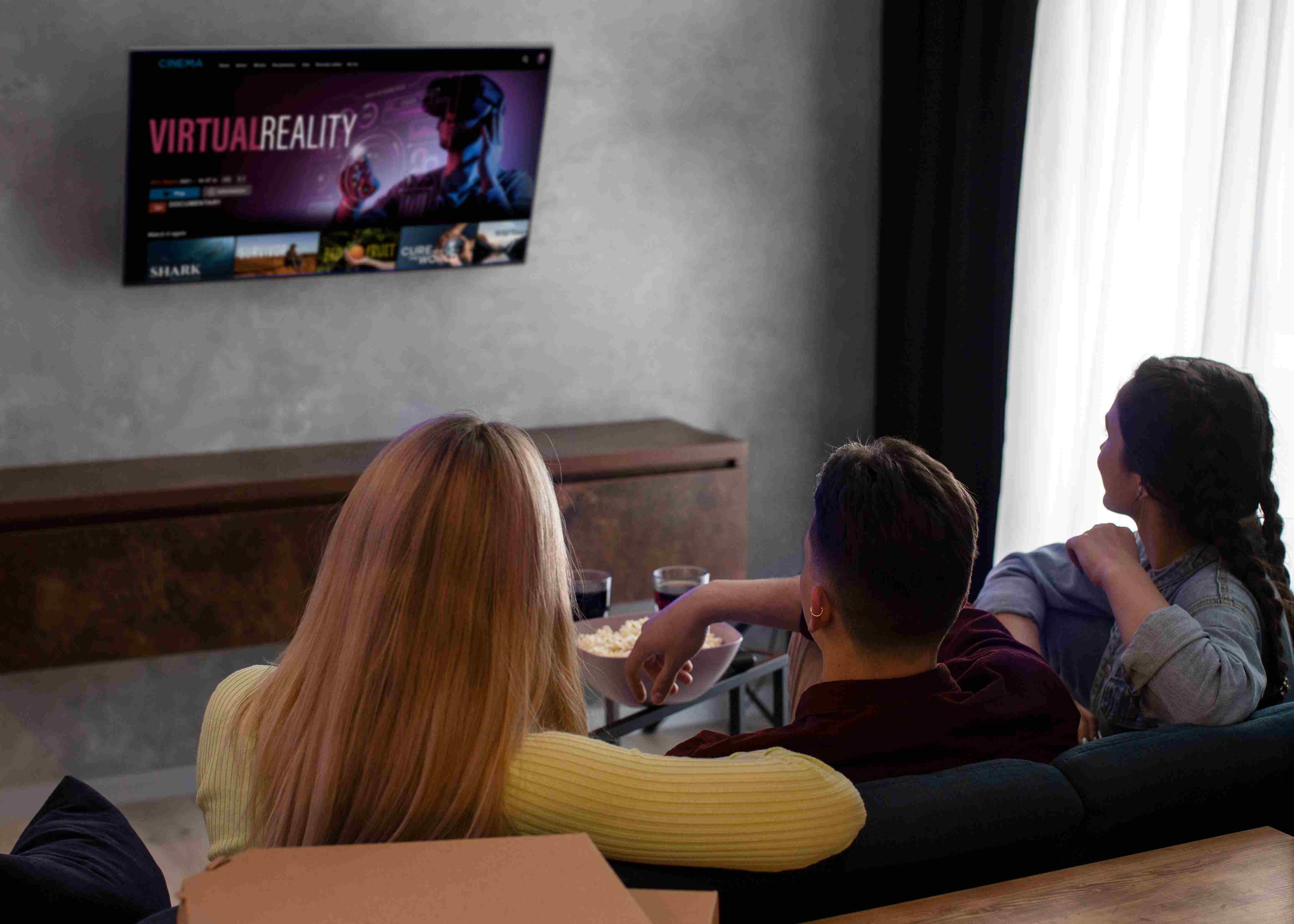
Television viewing has changed considerably over the years. Traditional cable and satellite services once gave viewers access to a fixed selection of channels through a dedicated connection. Internet-based streaming has brought a variety of new devices and options to the live channel, on-demand, and entertainment across different devices.
An IPTV streaming service delivers television content through an internet connection rather than through traditional cable or satellite signals. People interested in considering IPTV in Burlington may find it useful to learn about the difference between IPTV services and conventional television for easy comparison.
How Traditional TV Works
Traditional television services generally deliver channels through cable, satellite, or antenna-based systems. Viewers receive a package of channels and use a television set or compatible receiver to access them.
The available experience often depends on the provider, location, package, and equipment. Traditional services can provide access to live television, but the viewing setup is generally connected to a specific service infrastructure.
Some providers also offer on-demand features and mobile applications. However, the core delivery method remains different from internet-based television.
How IPTV Delivers Television Content
IPTV stands for Internet Protocol Television. Instead of receiving television content through a conventional cable or satellite signal, viewers access compatible content through an internet connection.
Depending on the provider and subscription, a platform can include live channels, video-on-demand libraries and more.
The majority of IPTV service providers also have systems that support smart TVs, streaming devices, computers, tablets, and smartphones. This gives customers more options on how they can consume their content.
Greater Flexibility Across Devices
One of the noticeable differences between IPTV and traditional television is device flexibility. Conventional television services have historically been centred around a television and dedicated receiver.
With an IPTV setup, compatible content may be accessed through different supported devices. This can make it possible to watch from a living room television, computer, tablet, or smartphone, depending on the service and subscription.
For households4 comparing IPTV services, device compatibility can be an important factor. It is useful to check how many devices are supported and whether there are any limitations on simultaneous streaming.
Live Channels and On-Demand Viewing
A traditional TV network typically is a network with scheduled programs. A channel has viewers who tune in and watch whatever is broadcast on the channel according to the channel's schedule.
An IPTV service offers live channels in addition to playing this kind of video on demand. Depending on the platform, individuals might be able to view film, television shows, and more that they can opt to observe when they wish.
People are interested in internet television since they have access to both live and video-on-demand content. It is important to consider such things as channels offered, content on-demand, platforms, and subscription terms when choosing Canadian IPTV providers.
Personalized Entertainment Options
The access to television content via the Internet means that it can be viewed more flexibly. Depending on the service, users may have a choice of categories, search, and access different entertainment options.
This can be helpful when there are various family members with different preferences. Whether you are a sports fan, a movie lover, an international content viewer, or a family member, you all have different needs.
Service providers may have packages and/or subscription options, so it is crucial to compare the packages offered and the features included before subscribing to an IPTV service.
Internet Connection Matters
Unlike conventional cable or satellite delivery, IPTV depends on an internet connection. Streaming quality can therefore be influenced by connection speed, network stability, the number of devices using the connection, and other factors.
To choose an IPTV service in Canada, you need to review the technical specifications of the provider and ensure that your Internet connection meets the requirements for streaming the content.
Content at higher resolution may need more bandwidth than standard quality content. When multiple users are streaming or using the Internet simultaneously, a stable home network can also make a difference.
How IPTV Changes the Viewing Experience
The main difference between IPTV and traditional TV is not simply the number of channels available. It is also the way television content is delivered and accessed.
Traditional TV is primarily connected to cable, satellite, or broadcast infrastructure. IPTV uses internet-based technology, which can support access across compatible devices and combine live television with on-demand content.
For viewers exploring IPTV in Burlington, this can provide an alternative way to organize and access entertainment based on their individual preferences and household setup.
Choosing the Right IPTV Subscription
Before selecting an IPTV subscription, consider the features that are most relevant to your viewing habits. Look at the available channels, content categories, device compatibility, streaming quality, customer support, and subscription conditions.
It is also important to choose a reliable IPTV service provider that has the appropriate rights to distribute the content it offers. Not all IPTV platforms provide the same level of service, content availability, or legal authorization.
Taking time to compare your options can help you find a service that suits your entertainment requirements.
Wrapping Up
IPTV has introduced a different way to access television by delivering live and on-demand content through internet-based technology. Compared with traditional cable or satellite TV, it can offer greater flexibility across compatible devices and viewing environments.
Whether you are looking for international channels, live sports, movies, or on-demand entertainment, comparing the features of an IPTV service in Canada can help you understand which option best matches your viewing preferences. Contact us today to learn more about our IPTV services in Canada.